Culture Shock
Play Culture Shock
Culture Shock Screenshots



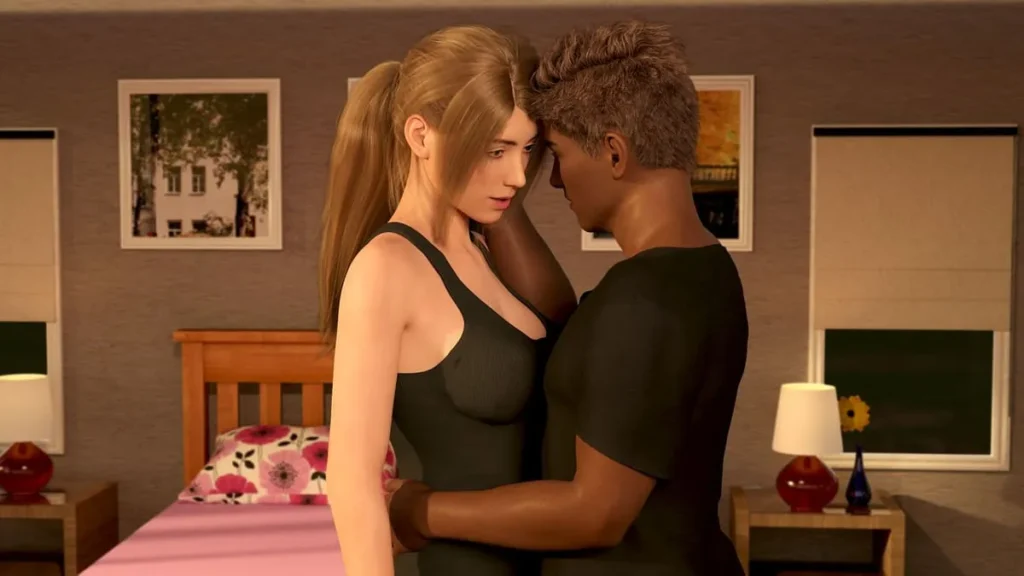


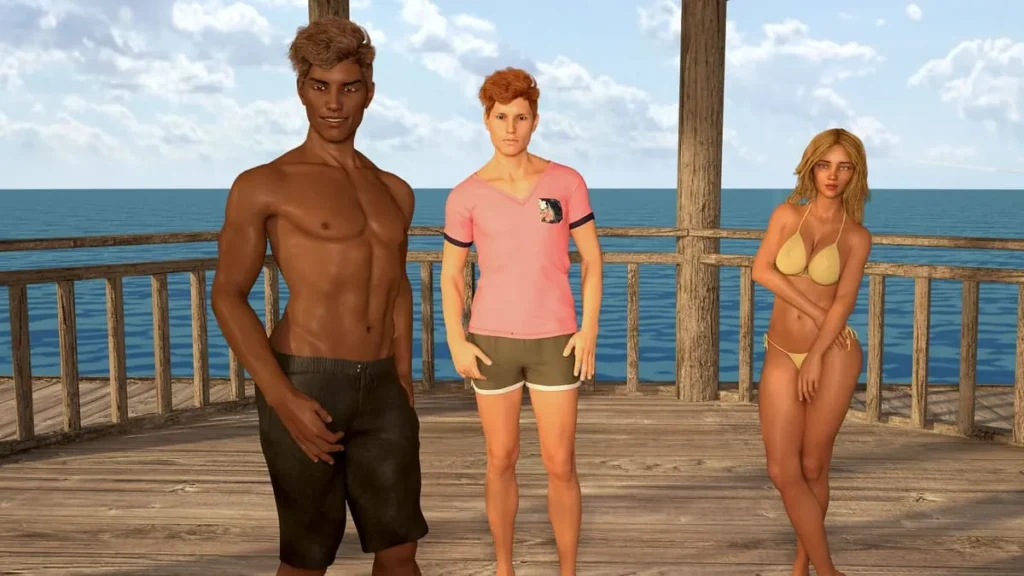



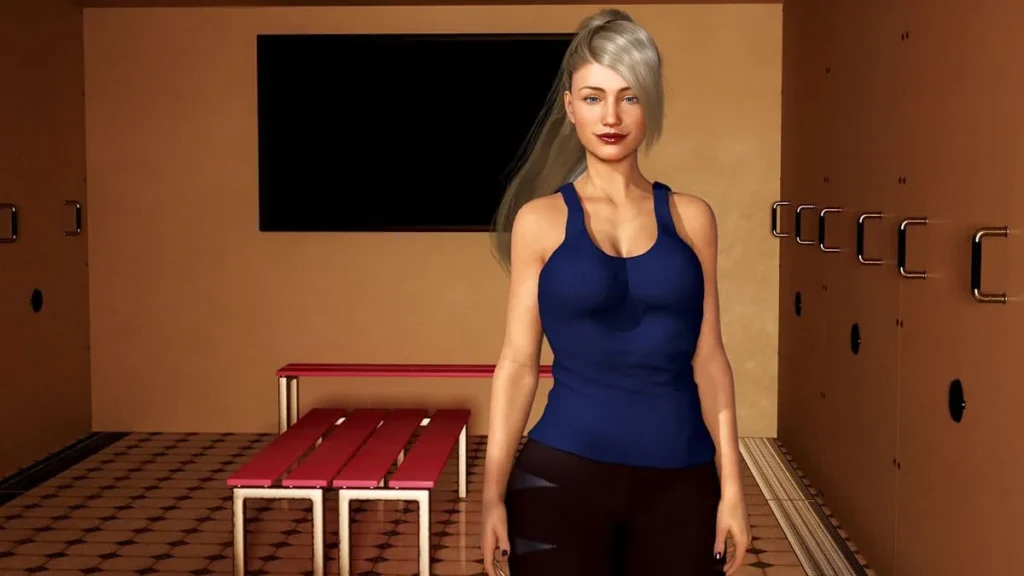


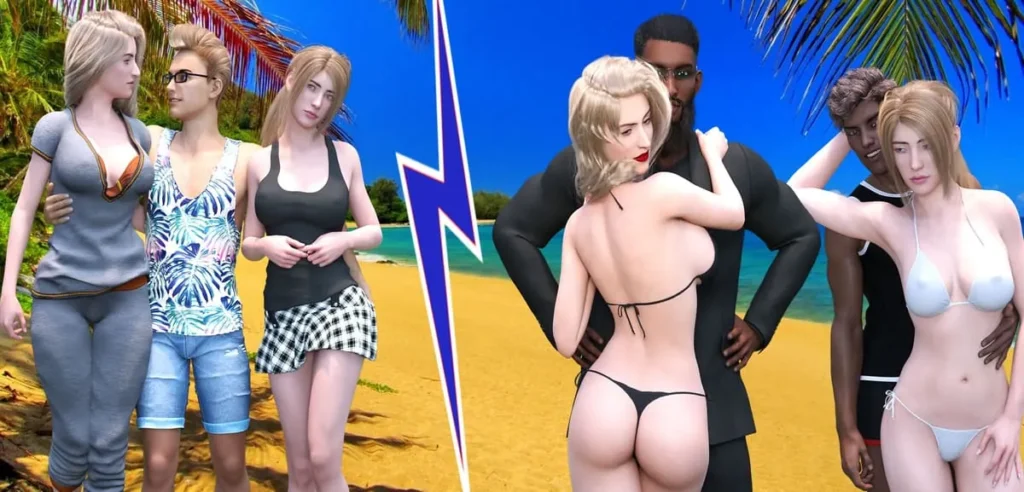
Culture Shock review
A deep dive into the controversial Culture Shock game experience
Culture Shock is a first-person visual novel that has stirred conversation and controversy since its release. Developed by kingoflust, the game follows Jax, an ordinary young man who moves from a small town to Honolulu and embarks on a journey of self-discovery and exploration. With its bold themes and mature content, Culture Shock stands out in the world of adult visual novels. This article explores what makes the game unique, its gameplay mechanics, and why it continues to attract attention from fans and critics alike.
Understanding Culture Shock: Story and Gameplay
Let’s be honest—most visual novels feel safe. You guide a charming protagonist through a picturesque world, making choices that lead to a neat, satisfying ending. It’s comforting, like a warm blanket. Then along came Culture Shock, a game that didn’t just hand you a blanket; it doused it in ice water and asked if you were still comfortable. 😮
This wasn’t just another entry in the genre; it was a deliberate, often uncomfortable, shake-up. To truly get it, you need to look past the controversy and understand its heart: the Culture Shock story and the unique Culture Shock gameplay that makes you an active participant in Jax’s turbulent journey.
Who is Jax and What Happens in Culture Shock?
You are Jax. That’s the first and most important rule of this Culture Shock visual novel. You don’t watch his story—you live it through a relentless first-person perspective. When we meet him, Jax is a young man from a quiet, rural town where everyone knows your name and your business. His world is small, predictable, and frankly, stifling. I remember playing these early scenes, feeling that familiar itch for something more, just like Jax does. 🌄
The catalyst comes with a university acceptance letter to a major, sprawling city. This is where the Culture Shock game truly begins. It’s not just a change of address; it’s a transplant into an alien ecosystem. The Culture Shock story masterfully chronicles his transformation. We experience his initial wonder at the dizzying skyline, his anxiety in crowded, anonymous streets, and his deep-seated loneliness amidst thousands of people.
But here’s the twist: Jax’s journey isn’t about triumphantly adapting. It’s a raw, often ugly, exploration of identity erosion. The city challenges his deeply held beliefs about community, morality, and self. The choices you make as Culture Shock Jax push him toward different paths: will he cling to his roots and judge this new world, or will he be seduced by its freedom and abandon his past? The narrative doesn’t judge, but it forces you to sit with the consequences of every snapped response, every ethical compromise, and every moment of cowardice or courage.
How Does Culture Shock Differ from Other Visual Novels?
If you’re used to visual novels about finding love or solving a mystery, Culture Shock will feel like a slap in the face. Its core mission is different. It uses the framework of the genre not to comfort, but to confront. The Culture Shock developer intentionally stripped away the usual safety nets—likeable protagonists, clear moral binaries, and guaranteed happy endings.
To see just how stark the contrast is, let’s break it down:
| Aspect | Typical Visual Novel | Culture Shock |
|---|---|---|
| Story Perspective | Third-person or defined protagonist you observe. | Strict first-person as Jax; you *are* the protagonist. |
| Player Choice Role | Often guides the narrative toward a specific romance or ending. | Shapes Jax’s psychological state and moral decay, not just plot points. |
| Central Themes | Romance, friendship, adventure, mystery. | Identity crisis, alienation, class, and ideological conflict. |
| Tone & Outcome | Generally uplifting, with cathartic resolutions. | Unflinchingly raw, ambiguous, and frequently bleak. |
| Gameplay Focus | Dialogue trees, relationship stats, puzzle elements. | Atmospheric immersion, internal monologue management, and stressful timed dialogues. |
The genius of the Culture Shock gameplay is in its immersion. You don’t just pick options from a menu; you get stuck in Jax’s head. His internal monologue scrolls constantly, a stream of consciousness filled with bias, fear, and desire. Your choices often feel less about “what is right” and more about “what can you live with?” This creates a tension that most games in the genre simply don’t attempt. 😰
What Makes Culture Shock Stand Out?
Beyond its differences, what makes this game linger in your mind long after the credits roll? For me, it boils down to three bold choices by the Culture Shock developer.
First, its commitment to discomfort. The game isn’t afraid to make the player feel alienated, anxious, or even complicit. One sequence that stuck with me involved a heated argument with a new friend from a wildly different background. The dialogue options weren’t about winning the argument, but about choosing which of Jax’s ingrained prejudices would surface. It was brutally effective.
“The goal was never to make a ‘fun’ escape. It was to create a mirror. If you feel uneasy, ask yourself why. That’s the point.” — A sentiment echoed by the Culture Shock developer in interviews.
Second, its structural bravery. The story is fragmented, mimicking Jax’s deteriorating mental state. Scenes jump in time, memories intrude on the present, and the city itself becomes a blur of sensory overload. This isn’t a bug; it’s a feature. It directly involves you in the disorientation that defines the Culture Shock story.
Finally, and this is key to the Culture Shock controversy, it trusts the player with ambiguity. There are no morality points, no “best ending” guides. Your final scene is a direct reflection of the person you’ve allowed Jax to become, for better or (more likely) for worse. This lack of hand-holding or narrative reward was a lightning rod for debate. Some called it a masterpiece of interactive drama; others dismissed it as miserable and pointless. That very debate is proof of its impact. ⚡
In essence, Culture Shock stands out because it dared to use the visual novel format for psychological portraiture rather than wish fulfillment. It’s a challenging, often frustrating, but undeniably memorable Culture Shock game that asks one piercing question: When everything you know is stripped away, who are you really? The answer, as Jax discovers, is rarely pretty.
Culture Shock is more than just a visual novel; it’s a bold exploration of personal growth and societal change. Its unique story, controversial themes, and engaging gameplay have made it a standout title in the genre. Whether you’re a fan of visual novels or simply curious about the game’s reputation, Culture Shock offers an experience that’s hard to forget. Dive into the world of Jax and discover what makes this game so memorable.