Desert Stalker
Play Desert Stalker
Desert Stalker Screenshots




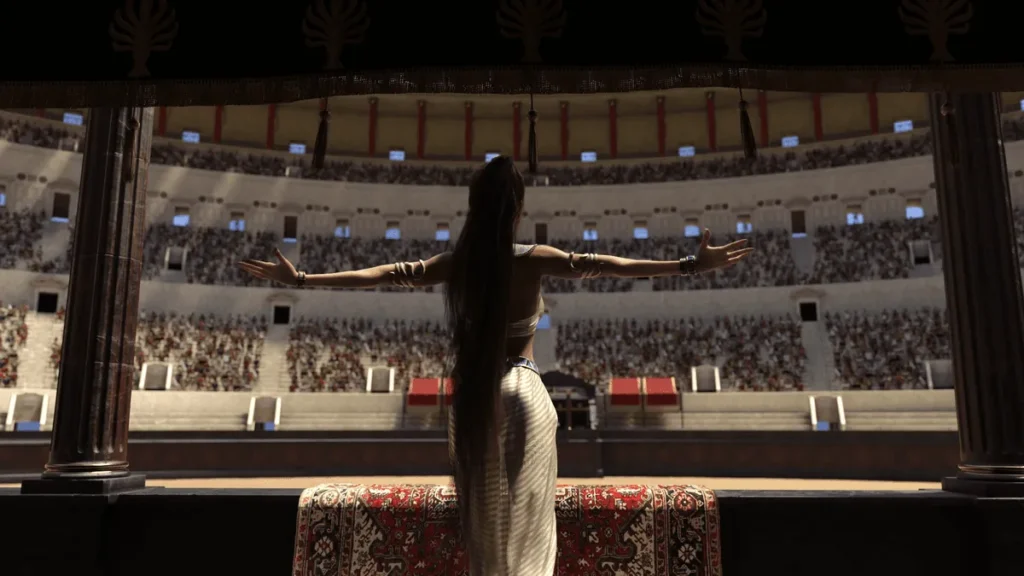
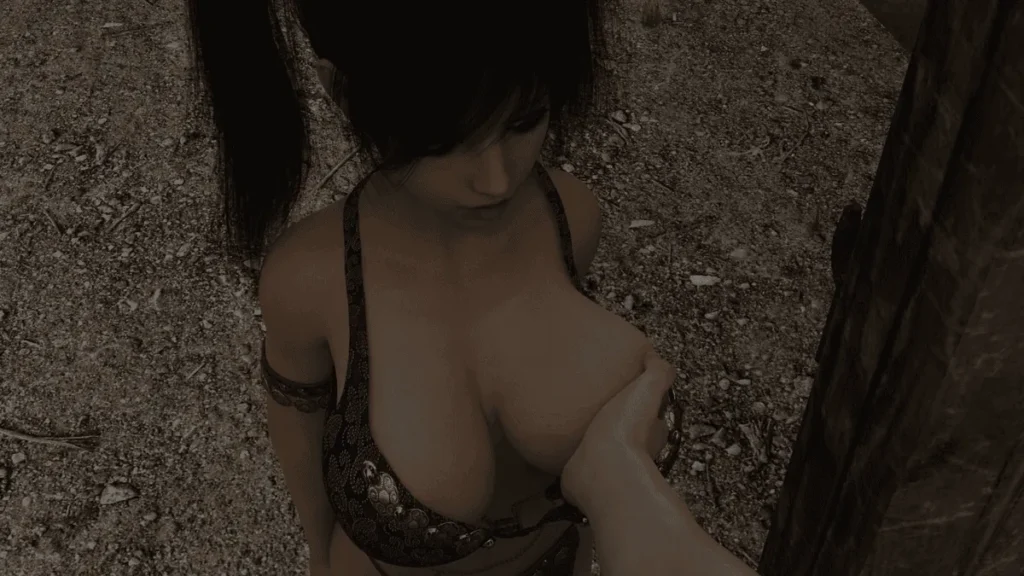
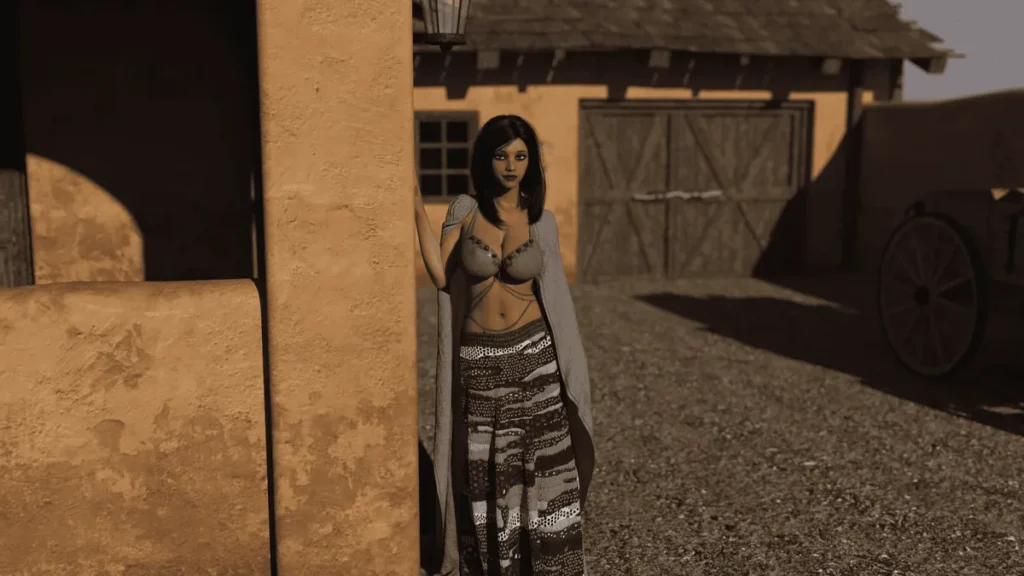

Desert Stalker review
Dive into gritty choices, steamy encounters, and survival in Zetan’s epic visual novel
Imagine scavenging ancient ruins in a sun-baked post-apocalyptic Egypt, where every choice could lead to dominance or disaster—that’s the thrill of Desert Stalker. This gripping adult visual novel by Zetan puts you in the boots of a seasoned artifact hunter from Zeta, balancing family life with high-stakes adventures. From raider skirmishes to building your household, the game blends linear storytelling with free-roam exploration, packed with immersive renders and branching paths. I first stumbled into it during a late-night binge, hooked by the gritty atmosphere and moral dilemmas that kept me replaying for hours. Whether you’re chasing rare relics or forging intense relationships, Desert Stalker delivers a dystopian fantasy like no other. Let’s break down how to master it.
What Makes Desert Stalker a Must-Play Visual Novel?
I remember scrolling through yet another list of recommended games, my eyes glazing over at the same old fantasy RPGs and sci-fi shooters. Then I saw a thumbnail that made me stop: a figure in a ragged cloak standing before the sun-bleached ruins of a Sphinx, a strange, futuristic rifle slung over their shoulder. That’s how I discovered Desert Stalker, and let me tell you, I was not prepared for the journey it offered. 🏜️
This isn’t just another visual novel; it’s a raw, immersive plunge into a world where every drop of water is a victory and every shadow could hide a friend or a fiend. As a Zetan adult game, it bravely blends brutal survival mechanics with mature, character-driven narratives, all set against a backdrop you rarely see in the genre. If you’re tired of predictable stories and crave a post-apoc visual novel with real teeth, you’ve just found your next obsession.
How Does the Post-Apocalyptic Egypt Setting Pull You In?
Forget the generic, grey wastelands. The world of Desert Stalker is a character in itself, and it’s breathtakingly oppressive. You play as a Stalker, a citizen of the underground city-state of Zeta, who ventures to the surface to scavenge Old World relics. But this surface isn’t just any desert—it’s a future post-apocalyptic Egypt game setting, where ancient pyramids share the horizon with the skeletal remains of advanced cities. The Desert Stalker atmosphere is a masterclass in environmental storytelling. The haunting silence of a sand-choked temple, the eerie glow of a bioluminescent cavern, the oppressive heat that seems to radiate from the screen… it’s utterly captivating.
I got genuine chills during my first major ruin dive. The ambient music faded into a dusty whisper, leaving only the sound of my character’s breathing and the skittering of unseen creatures. The Desert Stalker story is woven into these locations. You’re not just looting; you’re piecing together the cataclysm that shattered civilization, one cryptic hologram and weathered journal at a time. This unique fusion of ancient history and far-future collapse creates a sense of scale and mystery that few other games achieve. Exploring isn’t a chore; it’s a compelling drive to understand this beautiful, deadly world.
Why Do Player Choices Shape Your Entire Journey?
Here’s where the Desert Stalker visual novel truly separates itself from the pack. Your decisions aren’t mere dialogue flavor; they are survival calculus with lasting, often brutal, consequences. The game presents you with morally complex scenarios where there is rarely a “perfect” choice, only what you can live with. Will you share your scarce water with a desperate stranger, or conserve it for your own family back in Zeta? Will you negotiate with a violent raider gang, or put them down and take their supplies?
This system creates incredible replay value. Your approach defines your Stalker’s path, often branching into what fans call the “Dominator” or “Savior” archetypes. These aren’t just labels; they open or close entire storylines, relationships, and endings. The emotional depth, especially in the core family dynamics, is staggering. You feel the weight of being a provider and protector in a world that wants everyone dead.
To give you a clearer picture of how these paths diverge, let’s break down the two major playstyles:
| Path Type | Key Philosophy & Choices | Major Outcomes & Alliances | Best For Players Who… |
|---|---|---|---|
| The Dominator Path | Might makes right. Focus on strength, intimidation, and claiming resources by any means. Choices involve enslaving captured raiders, extorting settlements for supplies, and prioritizing power over mercy. | Gains fear-based respect from certain factions, unlocks unique “slave” management mechanics, often leads to a more isolated but resource-rich endgame. Can secure alliances through brute force. | Enjoy role-playing as a ruthless pragmatist, want to explore the game’s darker strategic options, and aren’t afraid of morally ambiguous outcomes. |
| The Savior Path | Strength for protection. Focus on building trust, helping survivors, and fostering alliances. Choices involve freeing prisoners, sharing resources selflessly, and mediating conflicts peacefully. | Builds a network of loyal allies who provide information and aid, unlocks cooperative quests and safer travel routes, leads to a more community-focused ending with different relationship depths. | Prefer to build a legacy of hope, want to experience all character relationship arcs, and enjoy the challenge of surviving through diplomacy and goodwill. |
Navigating this web of choices is the heart of the Desert Stalker experience. It makes every interaction tense and meaningful, ensuring that your story is uniquely yours.
What Free-Roam Elements Keep the Gameplay Fresh?
One of the most praised features is the Desert Stalker free roam sandbox. This isn’t an open world in the traditional sense, but a brilliantly designed loop between the safety of your Zeta home and the vast, unpredictable desert. After story beats, you’re often turned loose to plan your next foray. You decide which region to risk, what resources to hunt for, and which looming threats to address first.
The genius is in its “no-grind” design. Every expedition has a purpose—a specific relic to find, a missing person to locate, a brewing conflict to resolve. The world reacts to your presence. Clear a den of mutants, and that route becomes safer for a time. Ignore a pleading settlement, and you might return to find it raided. This creates a dynamic, living feel that pure linear stories can’t match.
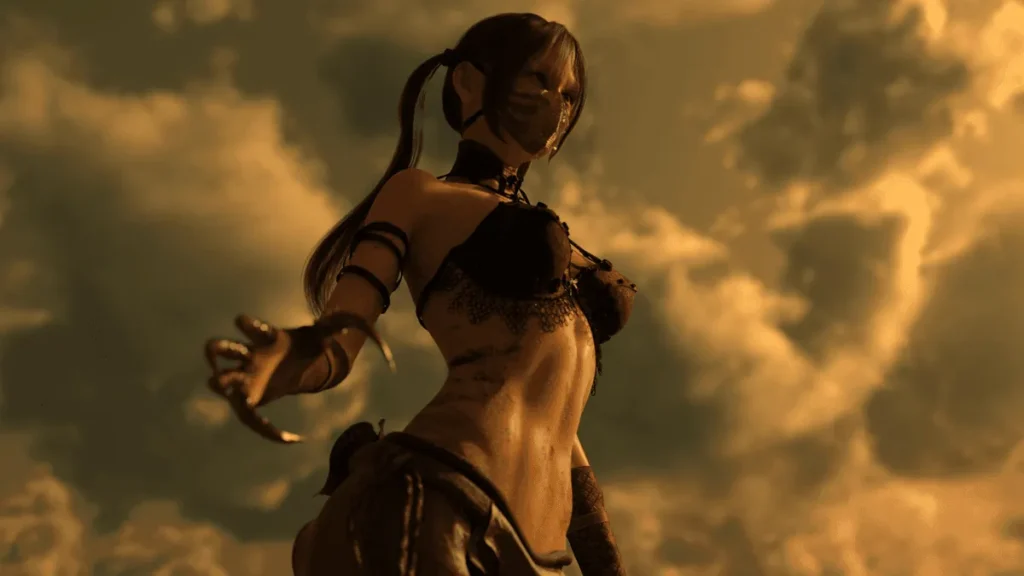
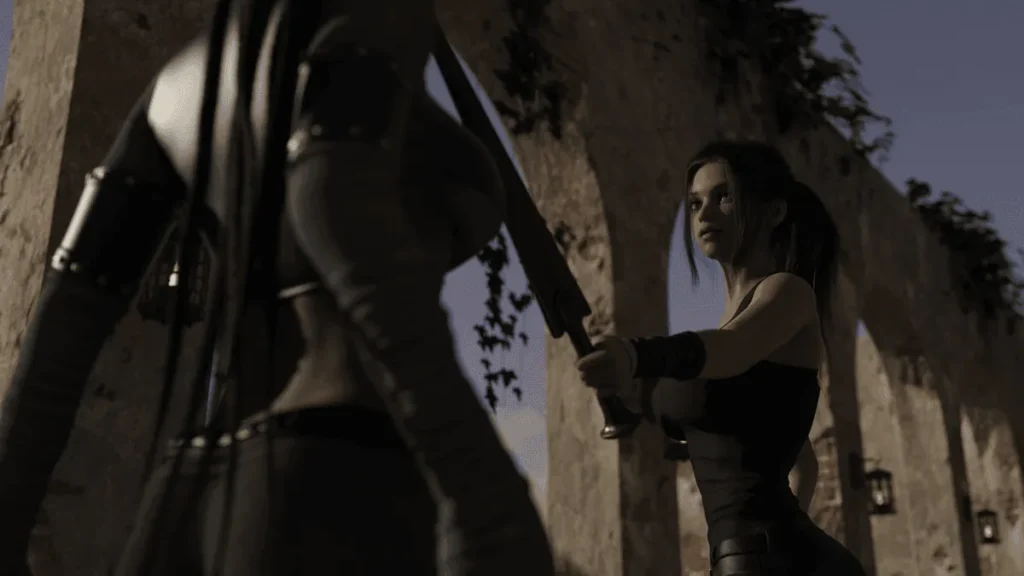
The presentation elevates everything. We’re talking cinematic-quality renders that make every character and location feel real, paired with a soundscape that perfectly sells the isolation and danger. A huge bonus is the game’s respect for player comfort through its detailed content filters. Before you start, I highly recommend reviewing these. They let you tailor the experience to your preferences.
Pro Tip: Don’t just jump into the desert! On your first playthrough, spend time exploring Zeta first. Talk to everyone, understand the faction tensions, and manage your household. This foundational work makes the surface missions feel far more personal and urgent.
Here are 5 key filters and how they impact your playthrough:
* Gore/Violence Filter: Tones down the more graphic survival moments. Disabling it increases the visceral, brutal reality of the wasteland but isn’t for the faint of heart.
* Content Sharing Filter: Controls elements related to certain character dynamics. Adjusting this can significantly change the tone of specific relationship storylines.
* Shani’s Path Options: These settings directly affect the narrative and interaction possibilities for a key character, allowing for a more customized story arc.
* Intimacy Scene Frequency: Lets you choose between critical story moments only or more frequent encounters, perfect for tailoring the narrative pace to your taste.
* Difficulty/Pressure Settings: Alters the survival mechanics’ strictness. A “high pressure” game means constant resource anxiety, while a lower setting lets you focus more on exploration and story.
This combination of structured narrative freedom and personal customization is why the gameplay never feels stale. You’re always working toward a goal you set, within a world that fights back, experiencing a story you’ve personally shaped.
From its unforgettable post-apocalyptic Egypt game setting to the profound weight of its choices and the liberating Desert Stalker free roam structure, this visual novel is a landmark experience. The Desert Stalker atmosphere gets under your skin, and the Desert Stalker story stays with you long after you close the game. It’s a challenging, mature, and deeply rewarding adventure that proves just how powerful and immersive this genre can be.
Ready to step into the sun-scorched ruins and write your own legend? Your first foray from Zeta awaits. But remember: in the desert, every choice echoes. What will yours be? 🔥 This is just the surface of what the sands hide. In our next deep dive, we’ll map out the factions vying for control and the secrets of the most perilous relic sites.
There you have it—Desert Stalker masterfully weaves survival grit, tough choices, and captivating relationships into a post-apocalyptic gem that stands out in the visual novel crowd. From raider takedowns to heartfelt family moments, it’s a game where your decisions craft a world of dominance or redemption, all wrapped in stunning visuals and zero grind. I keep coming back for those replayable paths and immersive vibes that hit different every time. Ready to step into the sands? Grab it on itch.io or Steam, tweak your filters, and start shaping your legacy today—your epic adventure awaits.