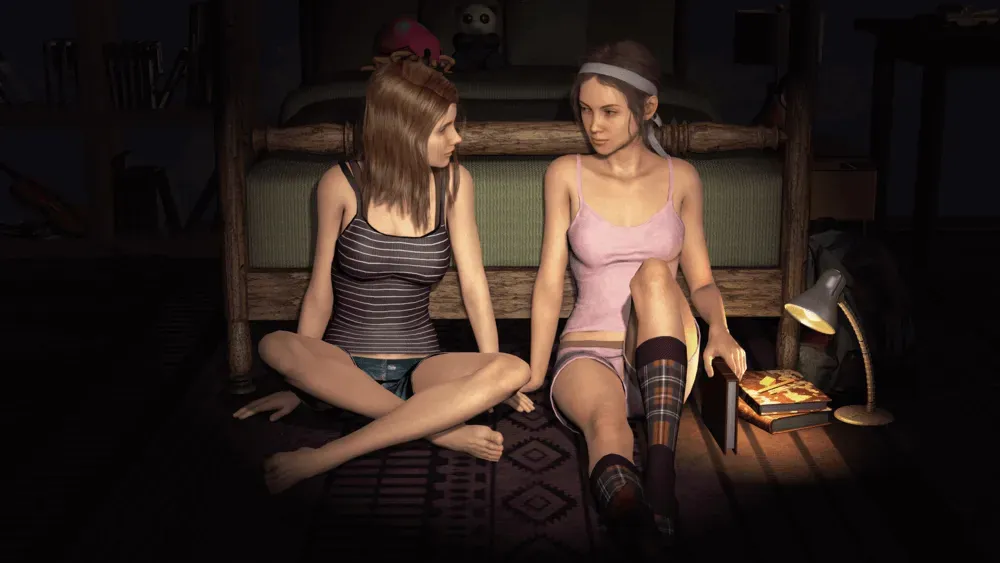
Dreaming of Dana
Play Dreaming of Dana
Dreaming of Dana Screenshots
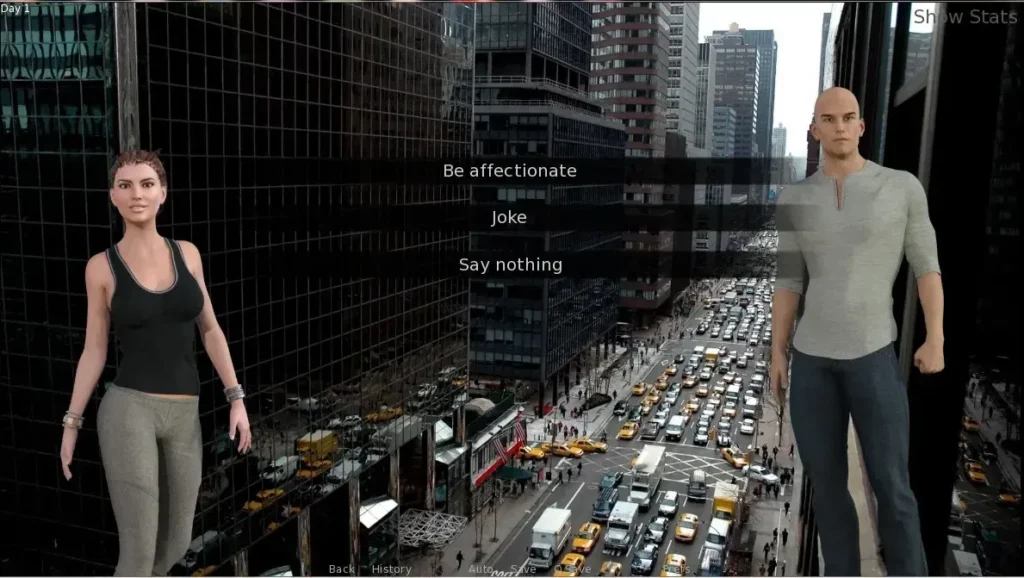
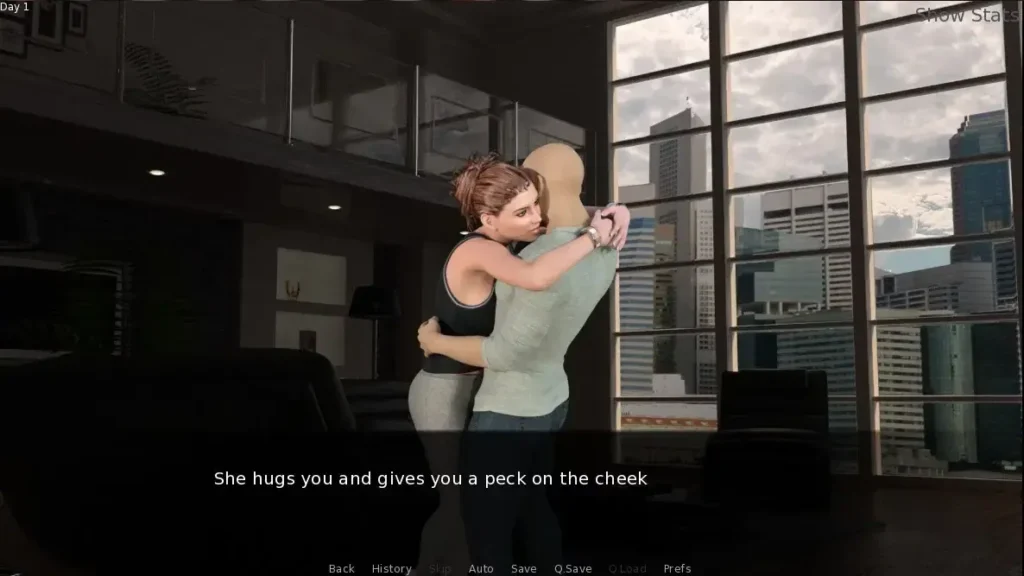
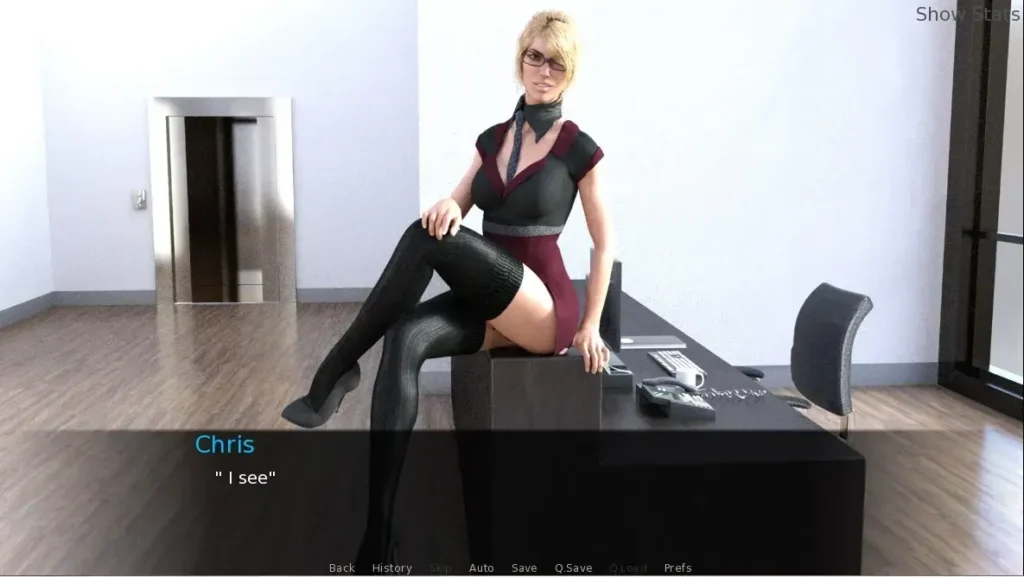
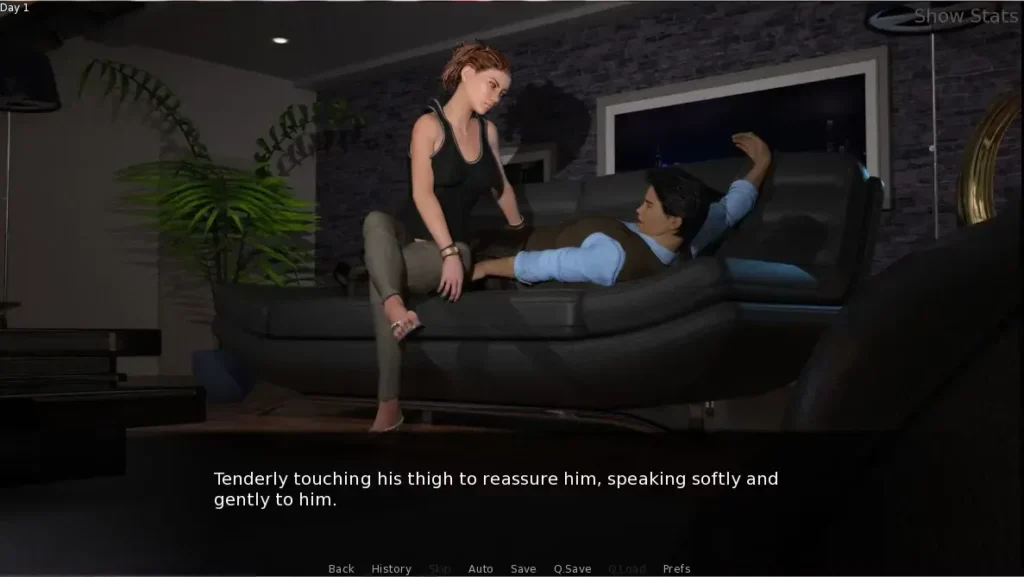
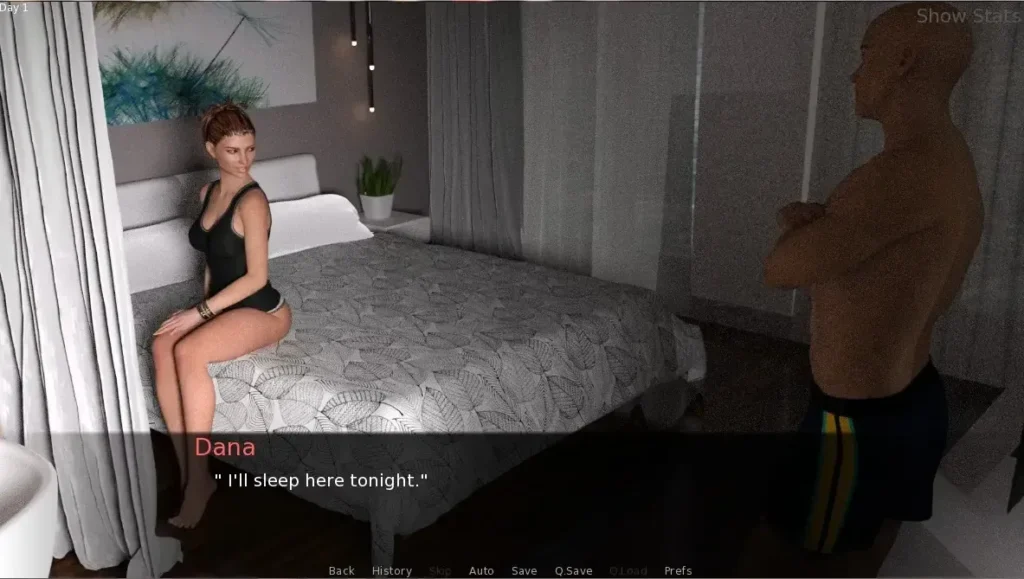

Dreaming of Dana review
Explore the immersive narrative and gameplay of Dreaming of Dana
Dreaming of Dana is a unique narrative-driven exploration game that invites players into a surreal dreamscape shaped by memories and choices. Unlike traditional games, it focuses on atmospheric storytelling and emotional engagement, allowing players to uncover the life and secrets of Dana through interactive exploration. This article dives deep into the gameplay, story elements, and immersive experience that make Dreaming of Dana stand out in its genre.
Understanding Dreaming of Dana: Gameplay and Story
Ever been in a game where you feel like you’re just going through the motions? You know the drill: follow the quest marker, press the button prompts, watch the cutscene. It’s comfortable, sure, but sometimes you crave something more… connective. Something that makes you think and feel as much as it makes you act. That’s the exact itch Dreaming of Dana was created to scratch. 🕯️
Playing it for the first time, I remember a moment of profound quiet. I wasn’t slaying dragons or building empires; I was simply standing in a virtual bedroom, piecing together who Dana was by the books on her shelf and the faded ticket stub on her desk. It wasn’t just playing a game; it was participating in a life. This is the heart of its interactive storytelling—a gentle, powerful invitation to understand a person you’ve never met.
### What Makes Dreaming of Dana Unique?
So, what sets this narrative-driven game apart in a sea of story-focused titles? It boils down to its core premise: you are not a hero on a grand quest. You are an archaeologist of the soul. Your mission is to reconstruct the life and memories of Dana, a person whose story is fragmented and lost. Unlike traditional games that hand you a plot on a silver platter, Dreaming of Dana gives you a puzzle box of a life and trusts you to open it. 🧩
Forget combat levels and skill trees. The primary currency here is emotional resonance. The game brilliantly uses its environment as the primary narrator. Every space you explore—from a sun-drenched childhood kitchen to a cluttered, melancholic adult apartment—is a vessel for memory. The genius lies in how it treats these spaces not as static backdrops, but as interactive echoes. A dusty record player doesn’t just sit there; when you interact with it, it might trigger a memory exploration sequence, a vignette from Dana’s past that you experience firsthand.
This focus makes it a standout memory exploration game. You’re actively sifting through the aftermath of a life, finding meaning in the mundane. I recall spending nearly ten minutes in Dana’s garden, not because a quest told me to, but because noticing how she tended to certain plants over others told me more about her state of mind than any diary entry could. The game’s uniqueness is its quiet confidence in the player’s curiosity and empathy.
### Core Gameplay Mechanics Explained
The Dreaming of Dana gameplay loop is elegantly simple, yet deeply layered. You explore, you interact, and you interpret. The controls are accessible, putting the complexity not in your fingers, but in your mind and heart.
The most crucial action is environmental interaction. Almost every object can be examined, and many can be “activated.” But it’s not just about picking things up. It’s about context. Clicking on a framed photo shows it to you; clicking on it while standing near another character might trigger a shared memory. The world is a web of connective tissue, and your interactions are how you trace the strands.
Then there’s the Memory Resonance system. This is the game’s magical core. Certain objects or locations hold strong emotional charges. Interacting with them doesn’t just give you a text log; it pulls you into a fully realized, playable memory. You might suddenly be controlling a young Dana trying to fix a broken toy, or witnessing a crucial conversation from her perspective. These aren’t just cutscenes—your actions within these memories can sometimes subtly alter how you perceive the “present” environment, showing how the past is never truly gone.
Your role is that of an active, compassionate detective. The game presents evidence—objects, environments, memories—but refuses to give you a definitive answer key. You must cross-reference clues, consider emotional context, and ultimately decide for yourself what certain events meant to Dana. This is where the Dreaming of Dana story becomes your story of discovery. The player choice impact isn’t about choosing dialogue options that branch the plot into wildly different directions. It’s about the choices you make in your attention and interpretation, which fundamentally shape your personal understanding of Dana’s life.
| Core Mechanic | How It Works | Impact on the Dreaming of Dana Story |
|---|---|---|
| Environmental Interaction | Examining and activating objects within Dana’s spaces to find clues and contextual details. | Builds the factual and emotional landscape of Dana’s world. Every object is a potential story fragment. |
| Memory Resonance | Triggering immersive, playable flashbacks by interacting with key emotional objects or locations. | Transforms exposition into lived experience. Allows you to feel pivotal moments firsthand, creating a deeper emotional bond. |
| Narrative Piecing | Combining clues from the environment and memories to form your own understanding of events. | Makes you an active co-author of the narrative. Your conclusions are the reward, creating a highly personal connection to the tale. |
Pro Tip: 🎯 Get into the habit of re-visiting rooms after you trigger a major memory. The environmental interaction often changes—a new object might be visible, or the meaning of a scene might be completely different in light of what you now know.
### How Story and Player Choice Intertwine
In most games, story and gameplay can feel like separate lanes—you play, then you watch. Dreaming of Dana masterfully merges them into a single, seamless experience. Here, the interactive storytelling is the gameplay. The act of exploring a drawer is the act of uncovering character. The decision to linger in a memory is the decision to deepen your emotional investment.
This is a narrative-driven game where the narrative’s power comes from its vulnerability. It doesn’t assert; it suggests. The Dreaming of Dana story is deliberately ambiguous in places, filled with gaps only your imagination can fill. That might sound frustrating, but it’s its greatest strength. By not telling you exactly how to feel about a conflicted memory or a painful note, it forces you to engage your own empathy and judgment. The player choice impact is internal—it’s the journey of your thoughts and feelings as you assemble the pieces.
For instance, you might discover two conflicting pieces of evidence about a relationship in Dana’s life. One memory shows warmth; a later letter shows distance. The game won’t pop up a message saying “Dana’s relationship was complicated.” Instead, you hold both truths in your mind, and the weight of that contradiction is the story. You’re not just learning what happened; you’re grappling with the same ambiguities and complexities that define a real life.
My most powerful moment came late in the game. After hours of memory exploration, I found a simple, unremarkable item in the present day that connected to a joyful, early memory. On its own, it was nothing. But in the context of everything I’d uncovered—the struggles, the losses—that one object, preserved for decades, became a monument to hope. I didn’t watch a character have an epiphany; I had the epiphany. The game had quietly laid all the groundwork, and my own engagement with its systems made the payoff deeply personal and overwhelmingly emotional. 💫
This is the magic of Dreaming of Dana gameplay. It proves that the most profound adventures don’t require vast worlds or epic conflicts. They can be found in the quiet examination of a single, well-lived life, with you as the guiding light piecing it all together. It’s an experience that stays with you, not for the challenges you overcame, but for the person you came to understand.
Dreaming of Dana offers a deeply personal and immersive experience through its unique blend of narrative exploration and player-driven discovery. By engaging with its dreamlike world and piecing together Dana’s memories, players gain a meaningful connection to the story and characters. Whether you enjoy atmospheric storytelling or interactive games that prioritize emotion and choice, Dreaming of Dana is a compelling journey worth exploring. Dive in and uncover the secrets waiting in Dana’s dreamscape.