
Lessons in Love
Play Lessons in Love
Lessons in Love Screenshots

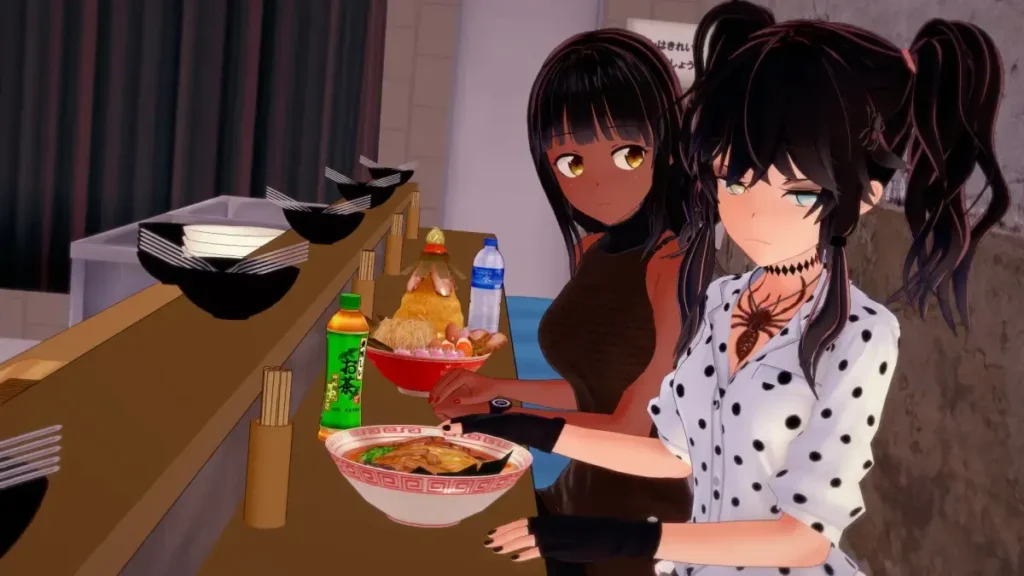


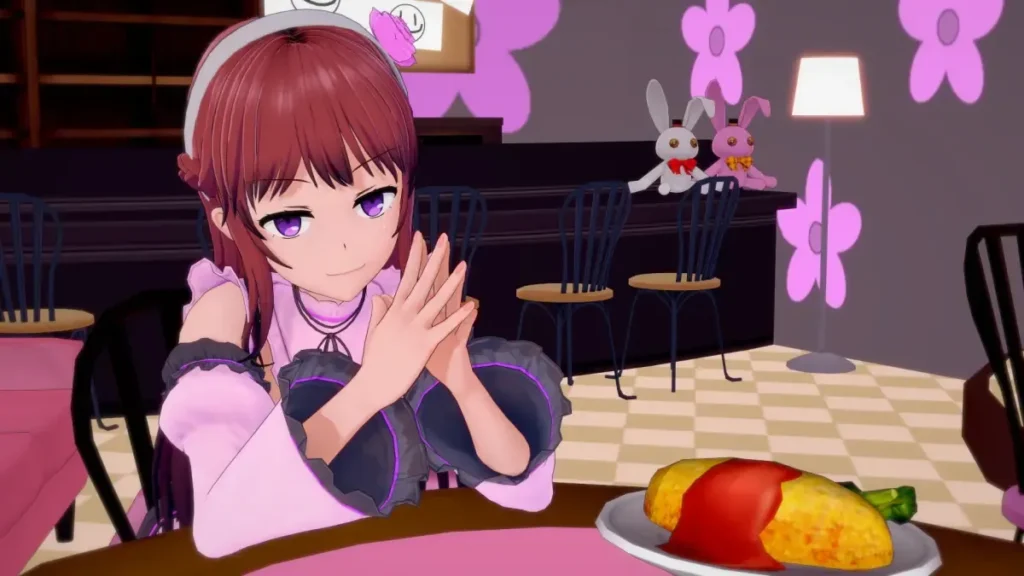
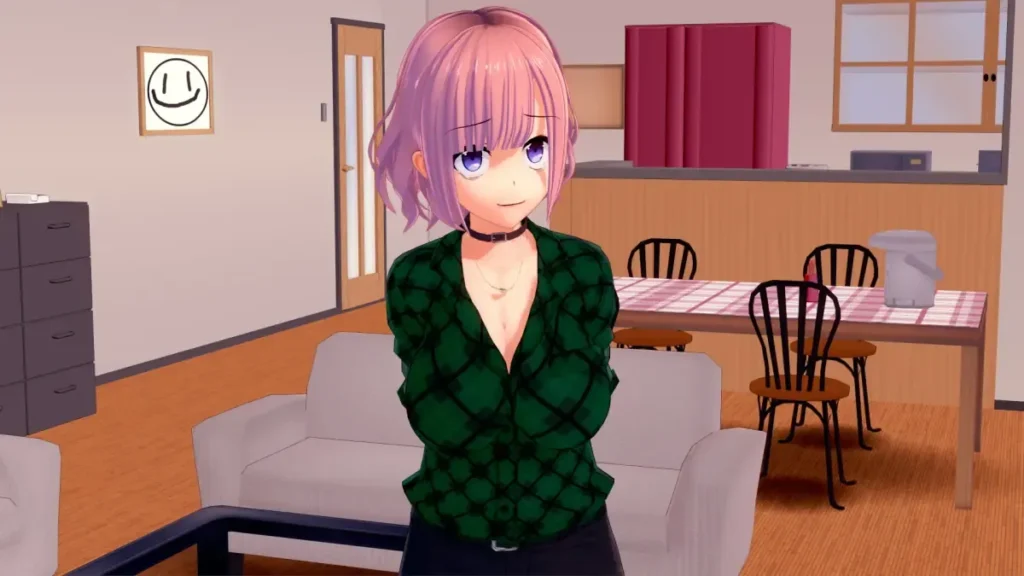
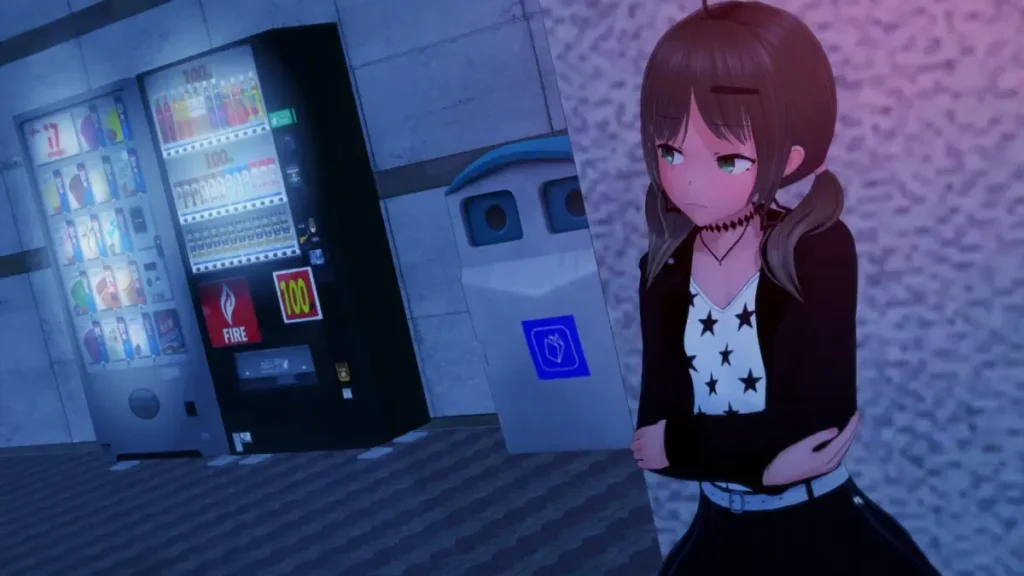


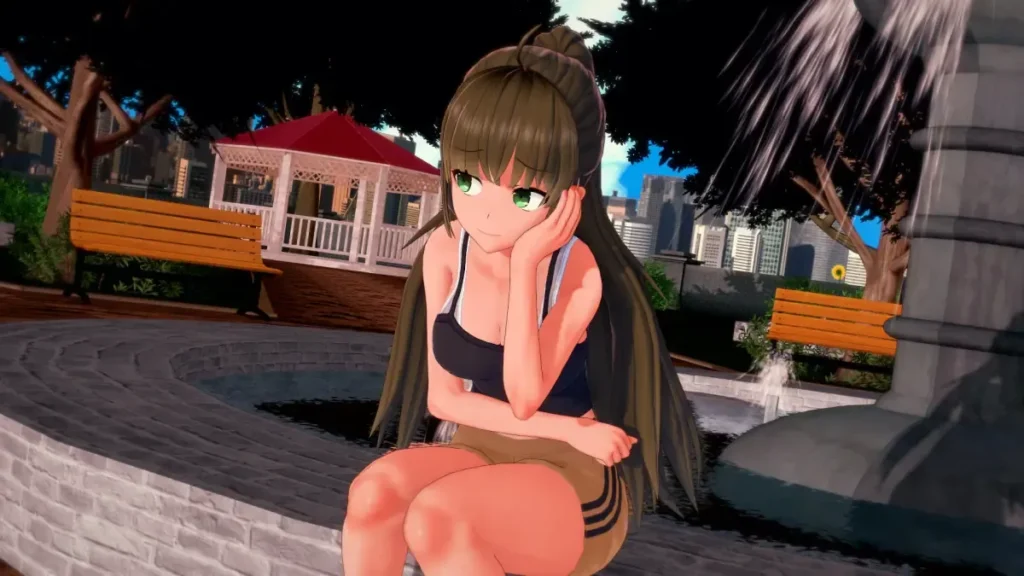





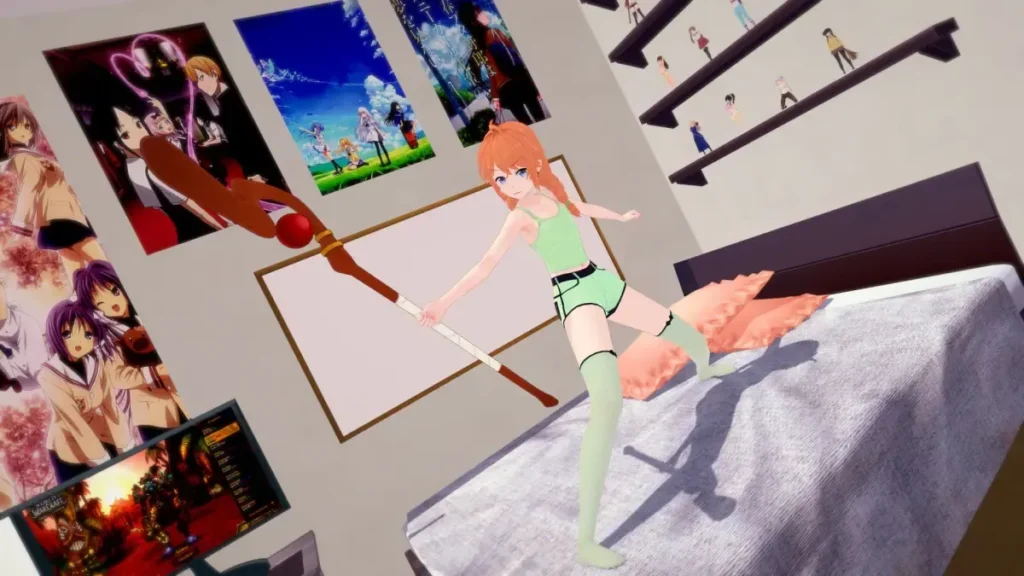
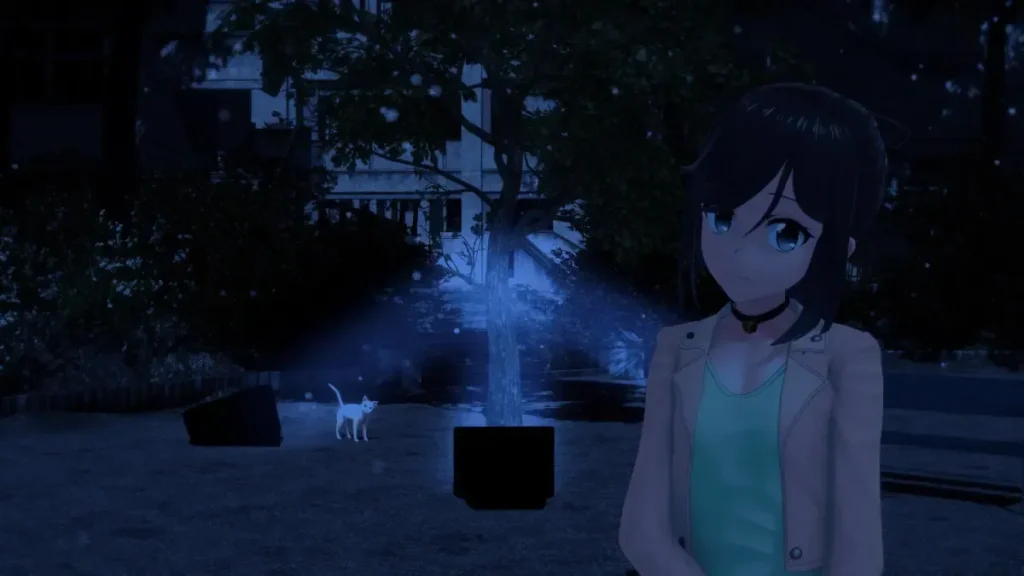
Lessons in Love review
Master the twisted romance and dark secrets in this captivating visual novel
Ever stepped into a world where teaching turns into a wild ride of forbidden desires and supernatural twists? That’s Lessons in Love for you—a visual novel that hooked me from the first eerie awakening as Sensei in Kumon-mi. What starts as chasing affection with stunning students spirals into mind-bending plot revelations involving twisted gods and horrifying events. If you’re diving into this Lessons in Love porn game, you’re in for choices that lock paths, build lust meters, and unlock steamy scenes laced with real emotional depth. I’ve spent countless hours navigating its branches, and trust me, knowing the mechanics changes everything. Let’s unpack how to thrive in this seductive chaos.
What Makes Lessons in Love Addictively Unique?
I still remember booting up Lessons in Love for the first time, expecting maybe a cheeky dating sim. What I got was a punch to the gut. 😳 My character—a nameless, listless man—was immediately shown preparing to end his own life. The next thing I knew, I was waking up in a strange bed, in a strange body, in a strange town called Kumon-mi, with a classroom of girls calling me “Sensei.” The disorientation was masterfully done. I wasn’t just playing a character; I was a stranger in my own skin, trying to piece together a stolen life while navigating the minefield of a high school teacher’s responsibilities. This jarring start isn’t just for shock value—it’s the foundational crack in reality through which the entire supernatural plot will later pour. This is the Kumon-mi story: a tale of rebirth, dark secrets, and the haunting question of who you really are when your past is a void.
How Sensei’s Mysterious Awakening Sets the Stage
This amnesiac body-snatcher scenario is the brilliant core of the Sensei character. You are not a blank slate; you are a replaced slate. Your memories are gone, but your instincts, your desires, and a deep, gnawing sense of wrongness remain. This setup does two incredible things for the Lessons in Love gameplay. First, it justifies your player agency. Why are you, the player, choosing where Sensei goes and what he says? Because he is just as clueless and is actively trying to build a new identity from the ground up. Every choice is an experiment in who he could be.
Second, it creates a profound thematic link with the girls. Kumon-mi is a town where everyone is hiding something, nursing a trauma, or wrestling with a fractured identity. Your Sensei backstory—or lack thereof—makes you the perfect, broken mirror for them to see themselves in. Your journey to understand your own hollow past runs parallel to uncovering the girls’ secrets. The gameplay loop directly emerges from this: each day, you choose a location to visit, hoping to trigger an encounter that will advance a relationship or unravel a piece of the larger mystery.
This means your daily routine is a delicate act of prioritization. Do you visit the library to find the studious Futaba, or the track field to check on the energetic Sana? Each location holds potential event triggers, key moments that can raise a character’s affection levels or lock you onto a specific path. The genius here is that these events aren’t just static scenes. They are reactive, changing based on what you’ve already seen and done in the game’s sprawling timeline.
“I am a creature of lust. It’s my engine, my compass, and my cage. It doesn’t matter whose face I wear—this hunger is the one real thing I have left.”
A quote like this from Sensei perfectly captures the internal conflict. The “lust” trait isn’t just a stat; it’s a narrative force that colors his thoughts and can push him toward certain decisions, making the management of your own impulses a core part of the Lessons in Love gameplay.
Balancing Steamy Scenes with Supernatural Horror
On the surface, Kumon-mi looks like any other anime town, bright and populated with beautifully drawn characters. This aesthetic dissonance is the game’s secret weapon. 🎨 The cheerful, classic visual novel art style makes the sudden, brutal intrusions of horror so much more effective. One moment you’re sharing a tender, fan-service-heavy moment with Ami, the next you’re staring at a disembodied limb in a locker or a character casually mentioning a crucifixion. It’s this whiplash that defines the experience.
The early game often uses these steamy scenes as a gateway, a moment of vulnerability or connection that then pivots into exposing a character’s trauma or a slice of the town’s hidden madness. This is the “Porn with Plot” philosophy in its initial stage: the intimacy is the hook that makes you care, so the subsequent horror lands. As you progress, the balance evolves. The relationships deepen, and the scenes shift from purely physical to more emotional or comedic intimacy, because you’ve moved past simple attraction into a complex bond forged through shared surreal suffering.
And what suffering it is! The supernatural plot is rooted in a brilliantly twisted mythology the game calls “Fantastic Catholicism.” Forget a single benevolent god; here you have a trinity of sibling deities: Callous, Calm, and Concerned. Their creations and conflicts seep into Kumon-mi’s reality. You’ll learn of Nozomu, a being of pure creation born from a god’s lust, and see how these divine follies have warped the town and its inhabitants. The horror isn’t just jump scares; it’s existential, questioning the nature of love, creation, and reality itself, all while you’re trying to get a date for the festival. 😅
Why Player Choices Shape Your Entire Journey
Forget illusion of choice. In Lessons in Love, your decisions are the architects of your reality. This is a game of visual novel branches so complex and interwoven that a single dialogue option in Week 3 can fundamentally alter an event in Week 45. The Lessons in Love gameplay is built on cause and effect.
Let me give you a pivotal example from my playthrough. Early on, with the shy, seemingly fragile Yumi, I chose persistent, prying dialogue options, pushing past her defenses thinking I was “helping.” This triggered a forced kiss sequence, which she reacted to with pure, unadulterated terror. That single choice didn’t just lower her affection levels; it altered her entire route. It locked me into a path where she saw Sensei as a threat, a predator to be managed, and it took dozens of hours of careful, repentant actions to even begin to mend that rupture. There was no “reload save” fix—I was committed to the consequences of my actions.
This is the core of the experience. The game is a massive, ticking clock of event triggers. Meeting Makoto at the wrong time, or asking Maki the wrong question, can open or close branches permanently. The story isn’t on rails; it’s a dense, living ecosystem you are constantly disturbing with every move.
Here are the key gameplay mechanics that make this system work:
- Daily Scheduling: Each day, you pick a location. Your choice determines which girl you might meet and which story thread you pull on.
- Affection Raising: Interactions build affinity, but it’s not a simple meter. It’s a hidden web of flags. High affection opens new events, but so can specific sequences of low-affection choices.
- Choice Impacts: Dialogue choices and event order have monumental, cascading effects. A kind word to one character might be overheard and damage your relationship with another.
To help visualize the scale, here’s a simplified look at how early choices can branch:
| Character | Sample Early Choice | Potential Long-Term Branch Effect |
|---|---|---|
| Ami | Comfort her about her family vs. Change the subject | Unlocks deeper familial trauma plot later vs. Keeps relationship surface-level and comedy-focused |
| Makoto | Confront her aggressively vs. Approach with quiet concern | Triggers a hostile, competitive route vs. Opens a path of vulnerable cooperation |
| Futaba | Focus on her studies vs. Ask about her personal life | Leads to academic partnership events vs. Triggers events about her social anxiety and isolation |
This density is what makes the Kumon-mi story infinitely replayable. My Kumon-mi, where Sensei became a cautious protector for Yumi and a scholarly partner for Futaba, is utterly different from a version where he might have embraced a darker persona. Every playthrough is a new exploration of this twisted town and its inhabitants. You’re not just unlocking CG scenes; you’re assembling a unique narrative from a million fragments, a testament to how player consequences truly shape the world.
In the end, the addictive uniqueness of Lessons in Love comes from this fearless commitment to its own complexity. It blends the visceral pull of romance and lust with a deeply unsettling cosmic horror, all wrapped in a gameplay system that respects your intelligence and remembers your every sin. The Sensei character is your vehicle through this madness, a beautifully flawed lens trying to focus on something real in a town where reality is optional. To master it is to accept that you will make mistakes, that you will miss content, and that your journey—with all its unique scars and joys—will be wholly, uniquely yours. 🖤
Diving into Lessons in Love transformed my gaming nights into an obsession with its blend of seduction, horror, and branching destinies. From Sensei’s lust-driven pursuits to unraveling the gods’ schemes through affection-building events, every choice crafts a unique tale. Whether chasing Maki’s bold energy or Yumi’s vulnerable path, the game’s depth rewards explorers. My tip? Replay with different orders to unlock hidden traumas and intimacies—it’s endlessly replayable. Ready to awaken in Kumon-mi? Grab the latest update, pick your first location, and let the lessons unfold. Your perfect route awaits.