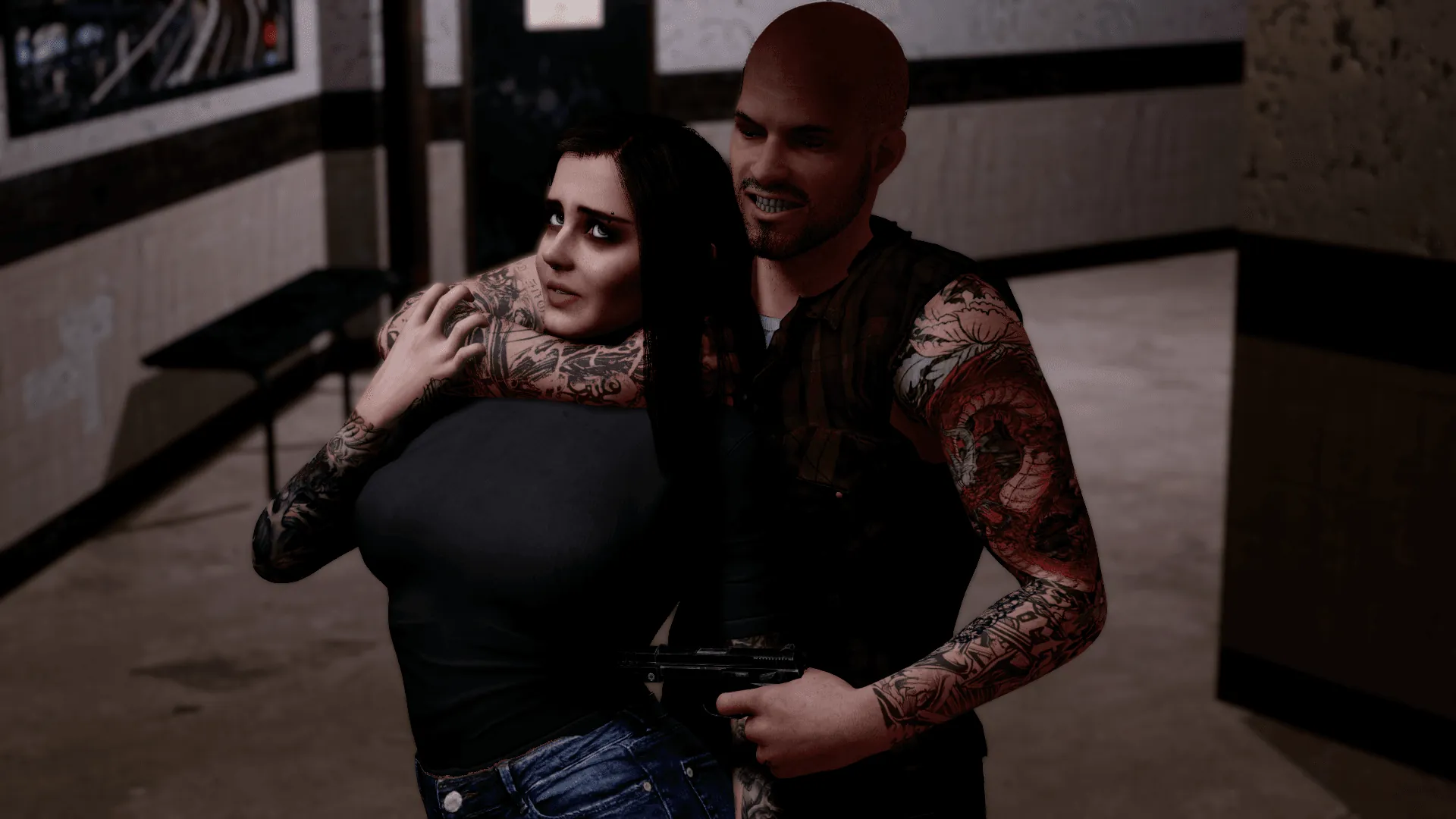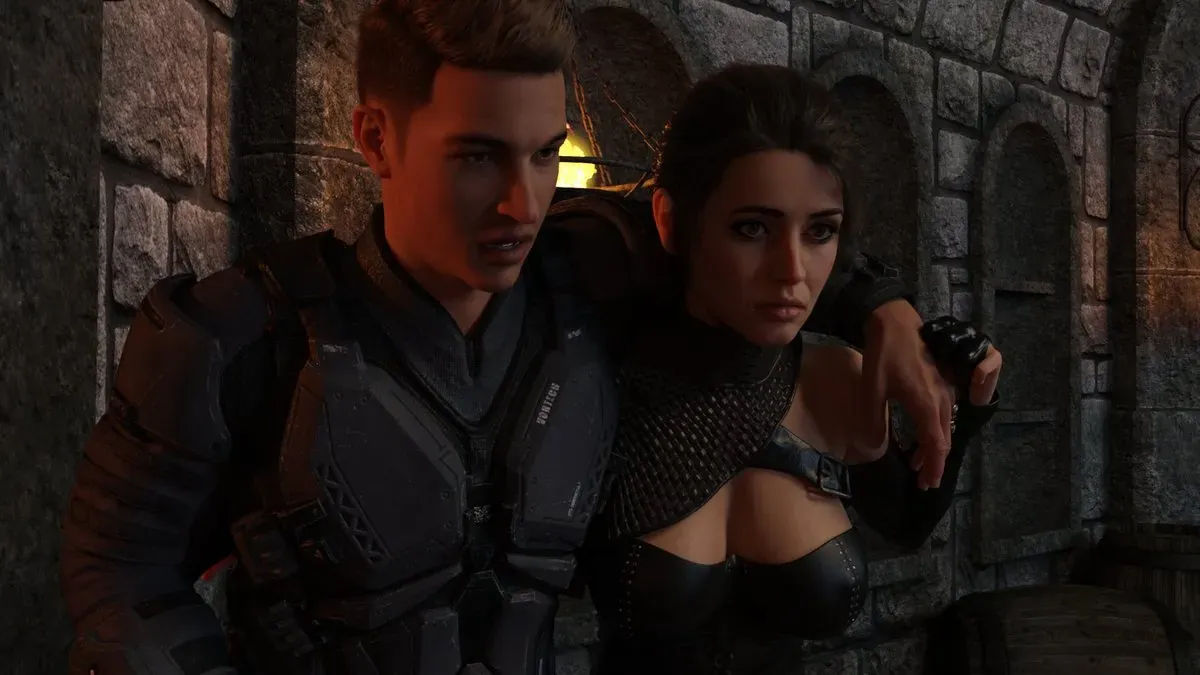
Seeking Closure
Play Seeking Closure
Seeking Closure Screenshots










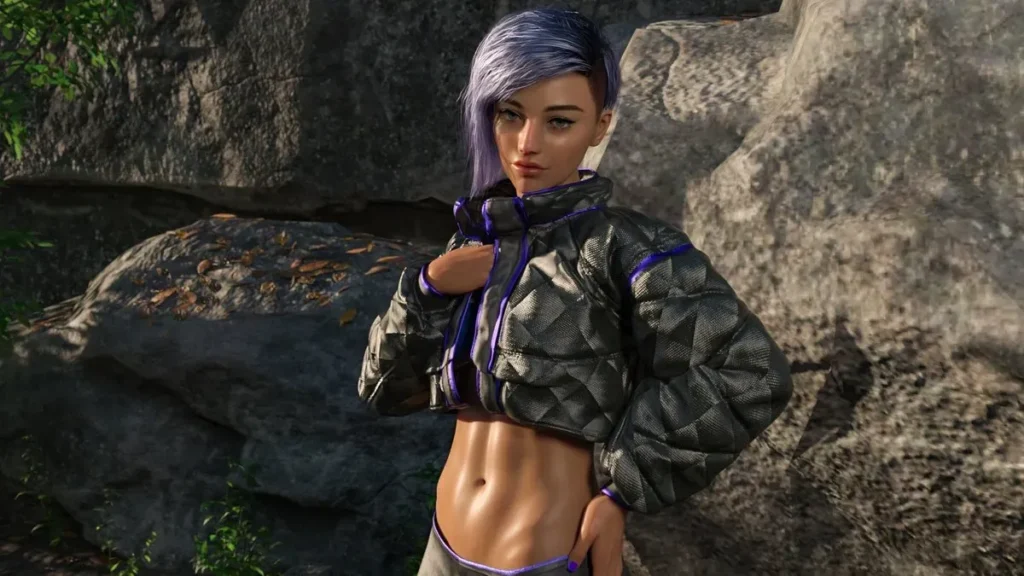


Seeking Closure review
Explore the mystery, relationships, and branching narratives of this erotic visual novel experience
Seeking Closure is an erotic visual novel developed by Captain Crystallo that combines mystery, romance, and narrative exploration. Released in 2023 for PC, this game invites players into a complex story centered around a vacation that takes a tragic turn. The narrative unfolds across different time periods as you investigate an accident that leads to disaster, making choices that shape relationships and uncover hidden truths. Whether you’re interested in the branching storyline, character dynamics, or the investigative gameplay mechanics, this guide covers everything you need to know about experiencing Seeking Closure.
Understanding the Story and Setting of Seeking Closure
Remember that feeling when a simple misunderstanding spirals completely out of control? 😅 You say one wrong thing, a friend takes it the wrong way, and suddenly the whole group chat is a minefield. Now, imagine that same principle, but with stakes that are life-altering. That’s the powerful, gut-wrenching engine at the heart of Seeking Closure story.
This isn’t just a tale about a vacation; it’s a deep dive into how fragile our connections really are and how a single moment can fracture everything. The Seeking Closure plot masterfully takes a relatable scenario—a final trip with friends before adulthood scatters you to the winds—and twists it into a compelling mystery you have to solve. If you’ve ever wondered “what if?” after a fallout, this visual novel narrative will feel hauntingly familiar.
So, grab a warm drink and get comfortable. We’re about to unpack the unforgettable story and setting of Seeking Closure, piece by scattered piece. 🔍
The Premise: A Vacation Gone Wrong
We’ve all been there. The pressure of a looming big change—like starting college—makes you crave one last perfect memory with your closest friends. Seeking Closure begins with this universal desire. The protagonist, who you guide, organizes a getaway to a picturesque mountain resort. The plan? Skiing, cozy lodges, and maybe kindling a little romance under the winter stars. It’s the dream finale to your school years. ❄️✨
But here’s where the visual novel narrative gets its hooks into you. An initial mistake, something that seems so small and forgivable in the moment, occurs. Maybe it’s a misplaced word, a secret told in confidence, or a choice made out of fear. The game is brilliant at making this moment feel organic, something any of us could have done. This isn’t a grand villain’s scheme; it’s human error.
This mistake, however, acts like a crack in a frozen lake. It doesn’t just stay put. It spreads. Through whispers, assumptions, and wounded pride, it escalates. What was supposed to be a week of bonding becomes a pressure cooker of tension, hidden resentments, and painful silences. The “disaster” that drives the entire Seeking Closure plot isn’t necessarily a single, explosive event you see coming. It’s the slow-motion collapse of trust, culminating in a tragedy that leaves you, the player, with one burning question: What truly happened up on that mountain?
The genius of this setup is that it transforms the player’s motivation. You’re not just passively watching a story unfold; you become an active investigator, desperate to understand how something so beautiful could shatter so completely. You’re seeking answers, but more importantly, you’re Seeking Closure.
Timeline Structure and Narrative Progression
If you think you’re going to experience this story from Point A to Point B, think again! 🧩 One of the most innovative aspects of the Seeking Closure story is how it plays with time. Forget a linear timeline; the truth is hidden across different periods of the protagonist’s life. The game’s structure is a direct reflection of how memory works—in fragments, out of order, and colored by emotion.
You won’t just be reliving that fateful vacation. The game allows you to travel through key moments: scenes from the friend group’s past that show their foundational bonds, the tense days leading up to the trip, and the fragmented, traumatic memories of the accident itself. You’ll also explore the aftermath—the guilt-ridden present where the protagonist is trying to piece their life back together.
This Seeking Closure timeline is your primary tool for investigation. Think of it like assembling a puzzle where the box lid is missing. You have to find the pieces (memories) and figure out how they connect. A cheerful memory from years ago might cast a sinister shadow on a comment made during the vacation. A detail from the accident scene might only make sense when you recall a seemingly innocent conversation from the first day of the trip.
Here’s a simplified look at how this non-linear progression works:
| Timeline Period | Player’s Role | Key Narrative Purpose |
|---|---|---|
| The Distant Past | Historian | Establish the foundation of friendships and latent conflicts. Understand the “before” picture. |
| The Recent Past (Pre-Trip) | Observer | Witness the planning, the excitement, and the first subtle cracks in the group’s dynamic. |
| The Vacation / Crisis | Participant | Live through the escalating tension and the pivotal moment of disaster. Your choices here are critical. |
| The Aftermath | Investigator | Piece together clues, deal with the consequences, and talk to survivors with the benefit of hindsight. |
This structure creates a profoundly engaging mystery visual novel gameplay loop. You are constantly hypothesizing. “If I go back and choose a different thing to say in this earlier memory, will it change how that person trusted me later?” The timeline isn’t just a storytelling gimmick; it’s the core visual novel investigation mechanics. You are literally sifting through time for evidence.
The ultimate goal is to reconstruct the true sequence of events. Was the tragedy a pure accident, a cruel twist of fate? Or were there deeper, darker preconditions—secrets, betrayals, or unspoken hostilities—that made it almost inevitable? The game doesn’t hand you the answer. You have to bounce between eras, cross-referencing details and character moods until the full, heartbreaking picture comes into focus.
Character Relationships and Their Impact on the Story
In many games, characters are just there to move the plot along. In Seeking Closure, the character relationships visual novel elements are the plot. Every friendship, every simmering crush, every old rivalry is a live wire waiting to be touched. These aren’t just backdrops for the mystery; they are the very substance the mystery is made of. 👥
Your friend group is a meticulously crafted ecosystem. You have:
* The Lifelong Best Friend: The rock. But what happens when that rock develops a crack?
* The Childhood Crush: The source of butterflies and agonizing “what ifs.” Does unrequited feeling fester into something else?
* The Outsider: The newer friend trying to fit in. Can their perspective see truths the rest of you are blind to?
* The Sibling Figure: The one who feels more like family. Are family secrets the most dangerous of all?
Each relationship serves a dual purpose: it’s a narrative device that reveals key parts of the Seeking Closure story, and it’s a direct gameplay mechanic. Want to learn what really happened during a private moment on the slopes? You need to have built enough trust with a specific character for them to confide in you. The information you can access is directly gated by the strength and nature of your bonds.
This is where the game’s heart truly beats. A conversation isn’t just about gathering a clue; it’s about navigating fragile egos, offering comfort, or choosing when to press for answers and when to back off. A choice to side with one friend over another during a pre-trip argument might mean a different person comes to you with crucial information later—or that someone shuts you out completely.
Personal Insight: In my playthrough, I made the mistake of always trying to be the peacekeeper, smoothing over every conflict. I thought I was keeping the group together. What I actually did was prevent underlying issues from surfacing. When the disaster struck, I was completely blindsided because I had ignored all the silent cries for help. The game punished my avoidance not with a “Game Over” screen, but with a profound, personal feeling of failure. It was brilliant.
These character relationships visual novel dynamics feed directly into the core mystery. The question of “accident or not?” is impossible to answer without understanding the human landscape. A character’s alibi isn’t just about their physical location; it’s about their emotional state. A piece of damning evidence might be less about fact and more about who had a motive to plant it. You’re not just investigating an event; you’re investigating hearts and minds.
Example: Choices and Consequences in Uncovering the Truth
Let’s make this concrete. Imagine a scene where the group is playing a truth-or-dare style game in the lodge, a classic visual novel narrative moment for revelations.
- Choice A (Playing it Safe): You choose a silly dare for your crush, making everyone laugh. The moment passes lightly. Later, during the investigation, your crush is warm toward you but doesn’t reveal anything deeper. You maintain a pleasant connection but learn nothing new about the night of the accident.
- Choice B (Pushing Gently): You ask your crush, “What’s something you’ve never told anyone here?” The room gets tense. They might deflect, or they might share a vulnerable secret about feeling like an outsider. This immediately alters your relationship status. Later, in the aftermath timeline, because you showed a willingness to engage with hard truths, this same character might approach you and confess, “I saw someone arguing near the trail that night… I was too scared to say anything before.”
This is the visual novel investigation mechanics in action. The “clue” (the witnessed argument) isn’t found by clicking on a glowing object. It’s earned through emotional labor and narrative choices. Every interaction is a potential branch that leads to a different piece of the puzzle, making the mystery visual novel gameplay deeply personal and replayable.
Understanding the story and setting of Seeking Closure is about embracing its complexity. It’s a game that understands that our worst tragedies are rarely about mustache-twirling villains, but about good people making bad choices, about love curdling into resentment, and about the devastating distance between what was said and what was heard. Its fractured timeline mirrors our own fractured understanding of painful events, and its focus on relationships makes you an active, culpable participant in the drama.
Your journey isn’t just to find out “whodunit.” It’s to understand “why it happened,” and in doing so, perhaps find a way to heal the very breaks you might have helped create. That is the powerful, lingering promise—and challenge—of Seeking Closure.
Seeking Closure stands out as a narrative-driven visual novel that merges mystery investigation with relationship-building gameplay. The game’s unique approach to storytelling through multiple timelines creates an engaging experience where player choices genuinely impact both the relationships formed and the truths uncovered about the central accident. With its animated 3DCG presentation, branching narrative paths, and focus on character interactions as investigative tools, Seeking Closure offers a distinctive take on the visual novel genre. Whether you’re drawn to the mystery elements, the relationship dynamics, or the adult content, understanding the game’s mechanics and story structure enhances your ability to uncover all the secrets hidden within this complex narrative. For players interested in choice-driven stories where investigation and relationships intertwine, Seeking Closure provides a compelling experience worth exploring.