
Twisted Memories
Play Twisted Memories
Twisted Memories Screenshots
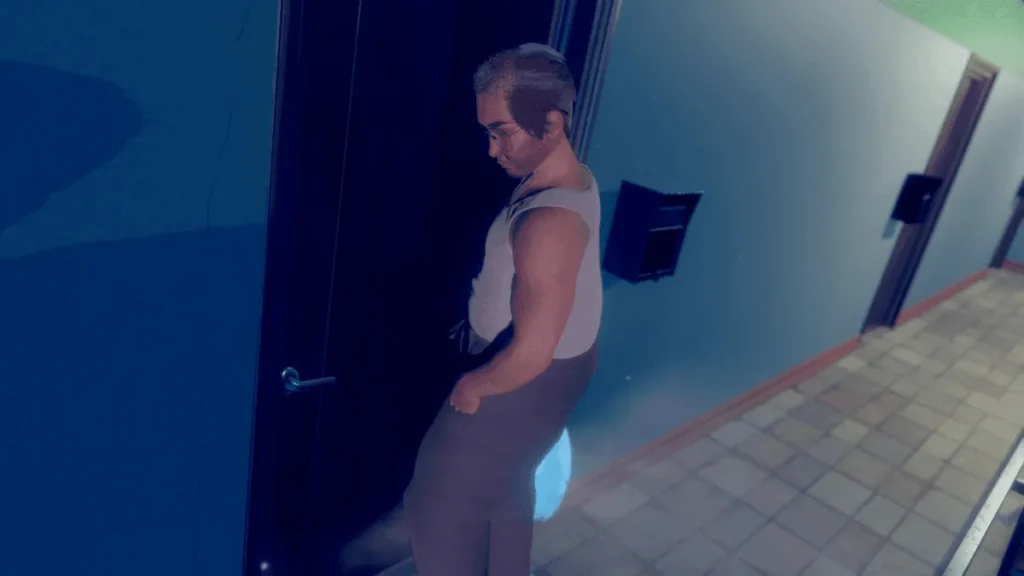
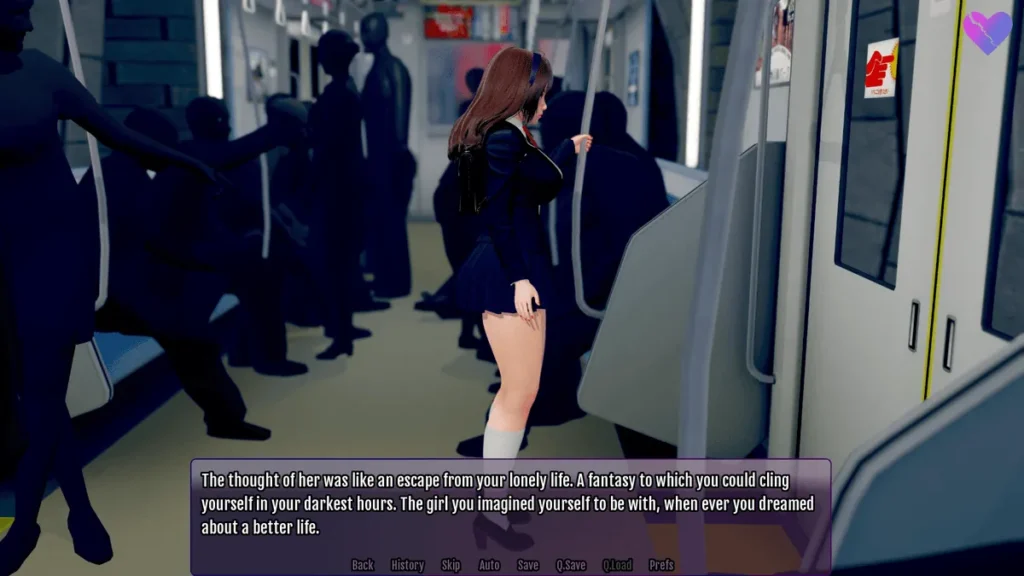

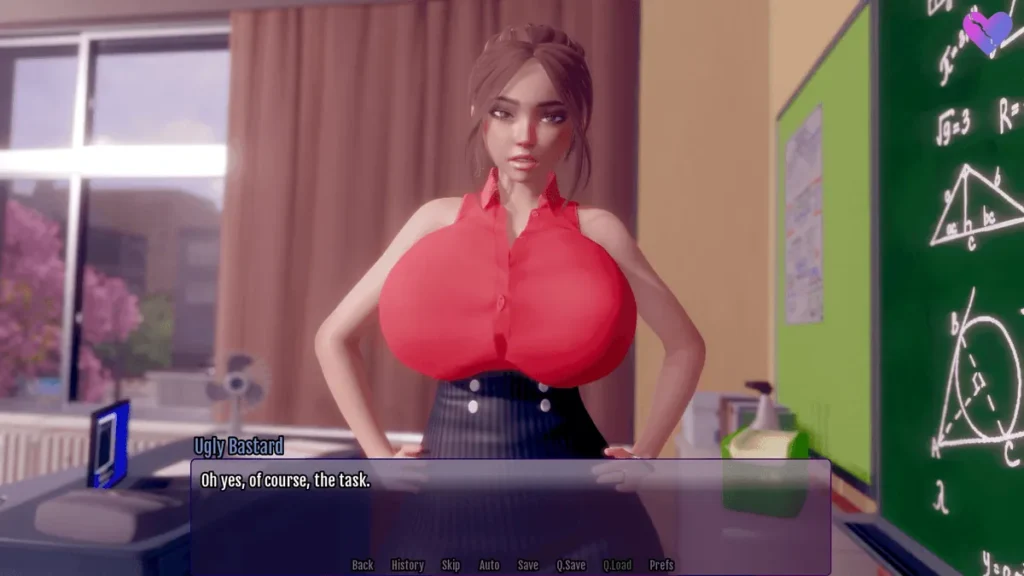
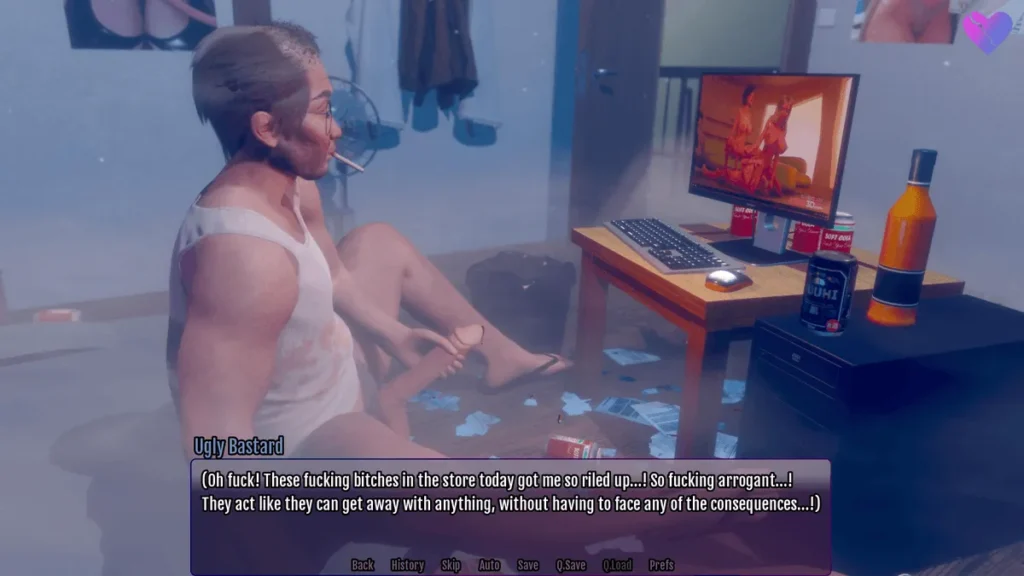





Twisted Memories review
Explore the psychological narrative and mechanics of this time-travel visual novel
Twisted Memories stands out as a provocative visual novel that blends psychological storytelling with complex character dynamics. The game follows an unconventional premise: a middle-aged man finds himself transported back to his teenage body, retaining all the memories, regrets, and cynicism of his older self. This unique setup creates a compelling narrative experience where players navigate the tension between past and present, making strategic choices that reshape relationships and outcomes. Whether you’re drawn to narrative-driven games or interested in understanding this title’s distinctive approach to storytelling, this guide explores everything you need to know about Twisted Memories.
Understanding the Core Premise and Setting
Have you ever looked back at your teenage years and cringed? 😬 Maybe you wish you’d stood up to that bully, confessed your feelings to that crush, or just studied a bit harder. We’ve all been there. But what if you could go back, not with innocent hope, but with the bitter, weary knowledge of exactly how your life turns out? This isn’t a fantasy of fixing things for the greater good. This is a raw, psychological exploration of what happens when regret curdles into resentment, and a second chance becomes a weapon. This is the uncompromising premise of Twisted Memories.
Welcome to a time travel visual novel that throws out the rulebook. Forget cheerful adventures to “make things right.” Twisted Memories plunges you into the psyche of a broken man who wakes up in his own past, armed with all the painful memories of his future failures. It’s a psychological storytelling game that uses its sci-fi setup not for escapism, but as a microscope to examine regret, manipulation, and the darkest corners of human motivation. Let’s peel back the layers of this fascinating and unsettling experience.
The Time-Travel Concept That Defines the Experience
At first glance, the Twisted Memories premise might sound familiar: a man gets a chance to relive his youth. But the devil is in the devastating details. Our protagonist isn’t a heroic time traveler. He’s a middle-aged man who has hit rock bottom—a life defined by poverty, professional ruin, and deep, festering social isolation. He goes to sleep in his grim, lonely present and awakens in his teenage bedroom, in his younger body, but with his older mind completely intact. 🧠➡️👦
This isn’t a slow realization or a confusing blur. He remembers everything. Every humiliating failure, every missed opportunity that haunted him, every person who looked down on him or betrayed him. The time travel visual novel framework is the perfect vehicle for this, because it forces you to sit in that discomfort. You, as the player, navigate familiar high school halls and family dinners, but through the lens of a man who knows this seemingly peaceful world is the antechamber to his personal hell.
The narrative tension here is exquisite. A simple compliment from a future rival is loaded with irony. A parent’s mundane advice echoes with the knowledge of future estrangement. This psychological storytelling game masterfully charges every interaction with a bittersweet, often cynical, awareness. The past is no longer a place of nostalgia; it’s a crime scene he is revisiting, gathering evidence for a new trial he intends to win at any cost. The central question isn’t “Can I fix my life?” It’s “How will I tear this timeline apart to serve myself?”
Character Background and Psychological Motivation
Who is the man steering this ship? Understanding the protagonist character background is crucial to engaging with Twisted Memories. He is not your friend. He is a compelling narrative device built from shattered dreams and spite. His adult life is a catalog of disappointments he blames on others and the world, nursing a profound sense of injustice. When he finds himself back in his youth, that bitterness doesn’t melt away—it becomes his primary fuel.
His core character motivation and psychology are driven by two powerful, dark forces: a thirst for revenge and a desperate need to reclaim power and control. He doesn’t see his classmates as friends-to-be; he sees them as future antagonists, creditors of pain who must now be dealt with. His goal is to “rewrite” his past, but this rewriting is less about creating a better future and more about settling scores and ensuring his own dominance. He aims to manipulate events and people to build a life of wealth, status, and invulnerability, directly countering the weakness he experienced before.
This is where the game truly distinguishes itself. It refuses to paint him as a secret hero. His actions are frequently manipulative, self-serving, and cynical. He uses his foreknowledge not to prevent a friend’s tragedy, but to gain leverage. He might befriend someone not for companionship, but because he knows they will be useful later. This unflinching portrayal is what makes the Twisted Memories premise so gripping and morally complex. You’re not guiding a paragon of virtue; you’re navigating the mind of a damaged individual who views his second chance as a zero-sum game he is determined to win.
To break down how these traits shape the story, let’s look at his defining characteristics:
| Character Trait | Narrative Impact & Example |
|---|---|
| Jaded & Cynical | He views youthful optimism as naivety. A school project about “the future” isn’t inspiring to him—it’s a cruel joke. This colors every interaction, making him dismissive of genuine kindness, which he often interprets as hidden agenda. |
| Manipulative | His adult mind is his greatest tool. He uses knowledge of future events, secrets, and personal weaknesses to orchestrate social dynamics, placing himself in a position of control. He might “predict” an event to gain someone’s unwavering trust. |
| Self-Serving | His primary filter for any decision is: “What’s in it for me?” Helping others is calculated, not altruistic. Resources, information, and relationships are all assessed for their utility in his long-term plan for wealth and power. |
| Introspective | Despite his outward focus on others, he is painfully self-aware. The game delves into his internal monologue, full of recrimination and analysis. This doesn’t always lead to growth, but it adds depth, showing his pain even as he inflicts it on others. |
This psychological profile sets the stage for the game’s most shocking and central theme: the re-examination of family. 🏠💔 Without spoiling the narrative depth, his damaged psyche ultimately focuses on the most foundational relationships of all. The desire to rewrite his story becomes intimately, and often disturbingly, tied to his family dynamics, serving as the ultimate expression of his pain and his warped vision for a corrected past.
How the Dual Perspective Creates Internal Conflict
The true genius of Twisted Memories as a psychological storytelling game lies in its narrative architecture: the dual perspective narrative. This isn’t just a gimmick; it’s the engine of the entire experience. You are constantly living in the tension between the teenage body adult mind.
On one side, you have the raw, hormonal, and socially precarious reality of being a teenager. The protagonist’s young body is subject to all the old insecurities, social pressures, and legal limitations of youth. He might have the mind of a 40-year-old, but he still has to ask for permission, attend classes, and navigate the brutal hierarchy of high school. This creates constant friction. His adult plans are hamstrung by teenage realities—a brilliant business idea requires startup capital he can’t legally access, and asserting authority is often met with dismissal because he looks like a kid.
On the other side, you have the weary, knowledgeable, and resentful consciousness of his future self. This adult mind sees every interaction as a strategic move. A simple group assignment is analyzed for potential allies or enemies. A school festival is a networking opportunity. This perspective is what allows for the game’s deep strategic role-playing elements, as you choose dialogue and actions based on long-term scheming rather than short-term teenage drama.
The internal conflict this generates is relentless. Imagine knowing your parent is making a financial mistake that will impact the next two decades, but being unable to convincingly explain how you know without sounding insane. 😤 Imagine feeling a surge of teenage anger or infatuation, only to have your adult mind immediately mock and suppress it as a biological trap. The dual perspective narrative means the protagonist is often at war with himself—his adult contempt battling his youthful circumstances, his calculated coldness wrestling with residual adolescent emotions.
This conflict is the heart of the gameplay. Choices aren’t just about “good” or “evil” paths. They are negotiations between these two states of being. Will you lean into the adult mind and make a ruthlessly pragmatic choice that alienates your peers? Or will you temporarily embody the teenage body, engaging in an impulsive act that might forge a genuine connection or blow up your carefully laid plans? This mechanic ensures the Twisted Memories premise remains a deeply personal and psychologically tense journey from start to finish.
Ultimately, Twisted Memories stands as a bold entry in the landscape of narrative games. It’s a time travel visual novel that uses its conceit not for comfort, but for confrontation. By fusing a gritty protagonist character background with the brilliant friction of a teenage body adult mind, it creates a dual perspective narrative that is utterly compelling. It’s a game less about changing fate and more about interrogating the wounded soul who would dare to try. If you’re ready for a story that challenges your sympathies and explores the shadowy side of second chances, this is a journey into the psyche you won’t forget. 🔄🧩
Twisted Memories presents a distinctive experience in the visual novel genre by combining time-travel mechanics with deep psychological storytelling. The game’s strength lies not in traditional heroic narratives, but in its unflinching exploration of regret, manipulation, and moral complexity. Through its Memory Core System and branching dialogue choices, players actively shape how the protagonist’s twisted second chance unfolds. The extensive internal monologues and character development create genuine investment in the story, even as the game challenges players with uncomfortable themes and decisions. Whether you approach it as a narrative experiment or an interactive story, Twisted Memories offers a thought-provoking experience that lingers long after completion. If you’re ready to explore a game that treats its mature themes with psychological depth rather than superficial shock value, this title deserves your attention.